Skip to content
BrizoMarket
Tag

contribution margin

How to Calculate the True Cost of Seller-Funded Vouchers Across Shopee, Lazada, and TikTok Shop

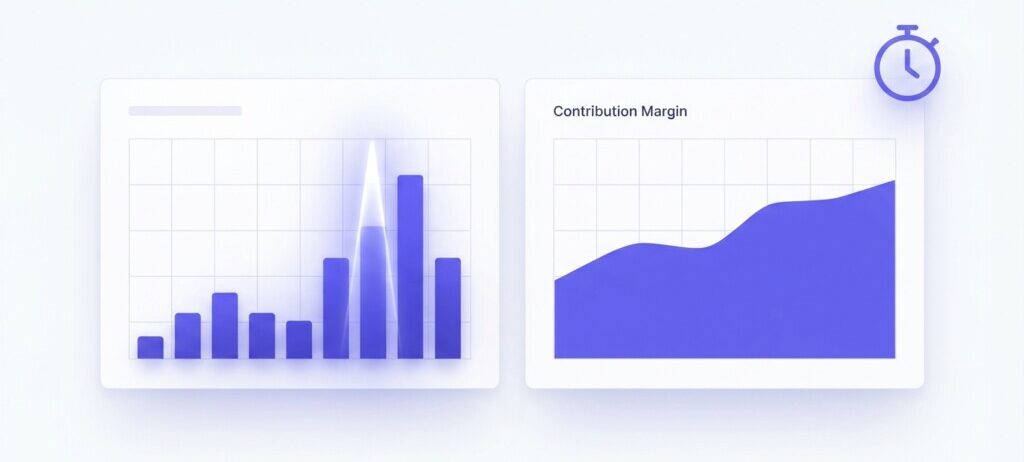
Seller-funded vouchers on Shopee, Lazada, and TikTok Shop reduce your settlement amount without touching your costs — but most sellers only record the headline discount. This guide walks through how to calculate true voucher cost at the contribution margin level, why incrementality matters, and how to build a framework that tells you whether your voucher activity is growing revenue or quietly eroding profit.
How to Use Shopify Order Reports to Calculate the True Net Revenue per Order After Discounts, Refunds, and Gateway Fees

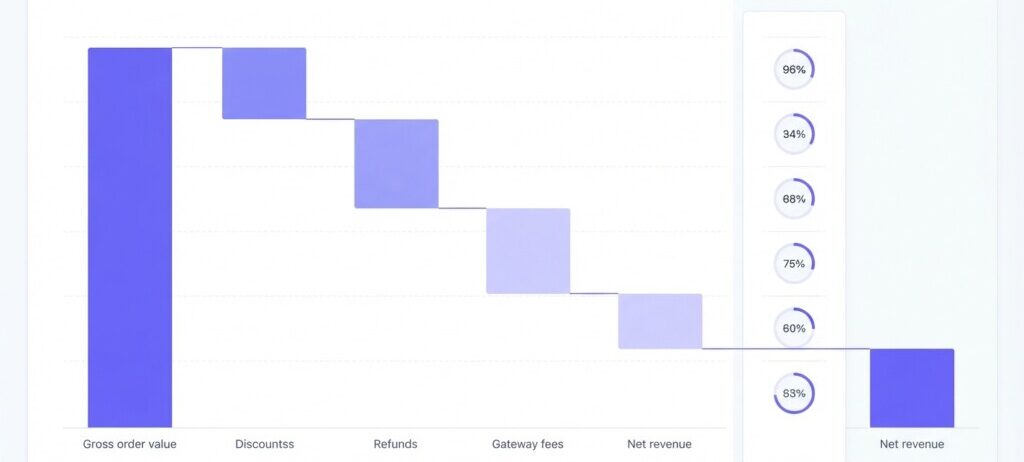
Shopify’s ‘Total Sales’ and ‘Gross Sales’ figures both misrepresent what your business actually earns. This guide explains exactly how to combine Shopify’s order reports with payment gateway fee data to calculate true net revenue per order — after discounts, refunds, and processing fees — and how to apply the same logic across Shopify, Shopee, Lazada, and TikTok Shop.

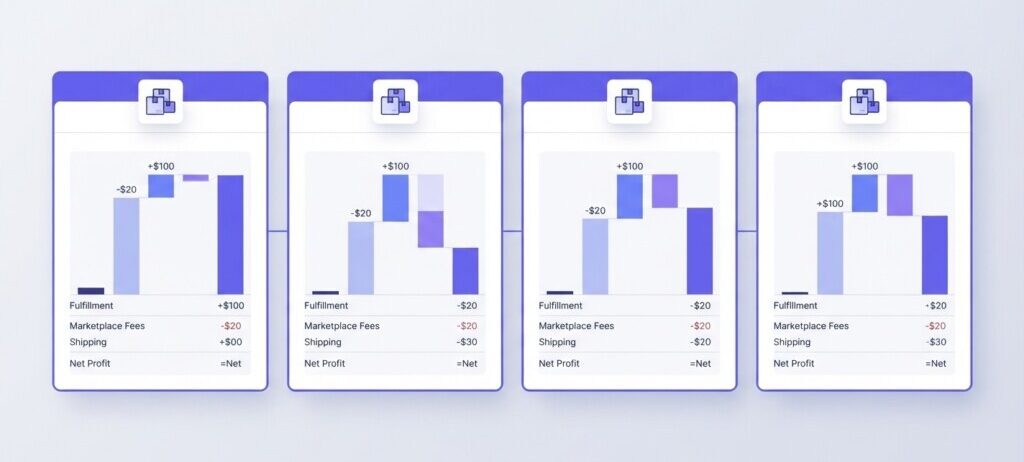
How to Calculate the True Cost of Bundling Products Across Marketplaces and Whether It Improves or Erodes Net Margin

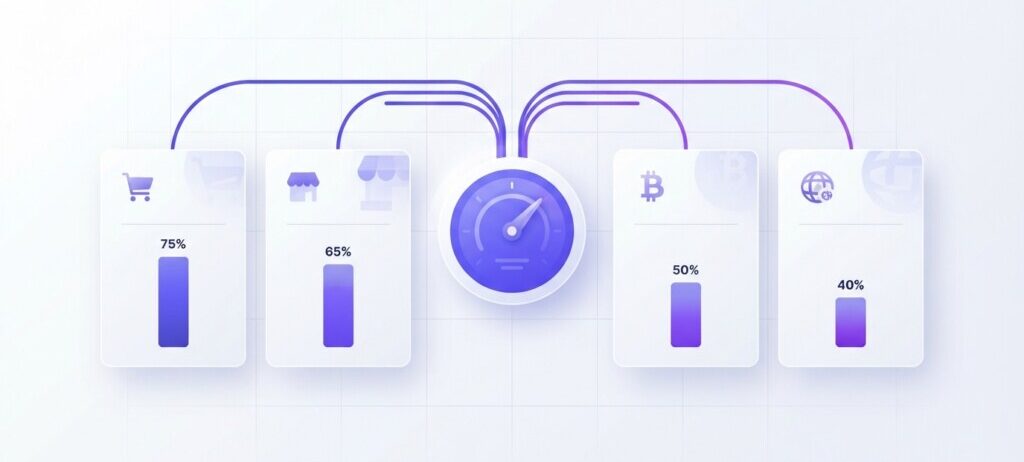
Bundling products across Shopify, Shopee, Lazada and TikTok Shop looks like an easy margin win — until you apply each channel’s full cost stack. This guide shows you how to calculate true per-channel bundle profitability, compare it against selling SKUs individually, and build a framework for deciding when bundling genuinely improves net margin and when it quietly erodes it.

How to Use TikTok Shop Product Analytics to Find Which Listings Generate the Highest Contribution Margin After All Platform Deductions

TikTok Shop sellers who rely on gross sales figures are often surprised when their monthly payouts fall short of expectations. This guide explains how to extract settlement data from TikTok Shop Seller Center, map every platform deduction, and calculate true contribution margin at the SKU level — so you can identify which listings are worth scaling and which are quietly eroding your profitability.

How to Use Shopify Acquisition Reports to Calculate the True CAC for Each Paid Channel and Decide Where to Reinvest Your Ad Budget

Most Shopify merchants know their ad spend but not what it actually produced in profitable new customers. This guide walks through how to use Shopify’s acquisition and marketing reports alongside real platform spend data to calculate a true, channel-level Customer Acquisition Cost — and how to use that number to decide where to reinvest your budget across Meta, Google, TikTok, and beyond.

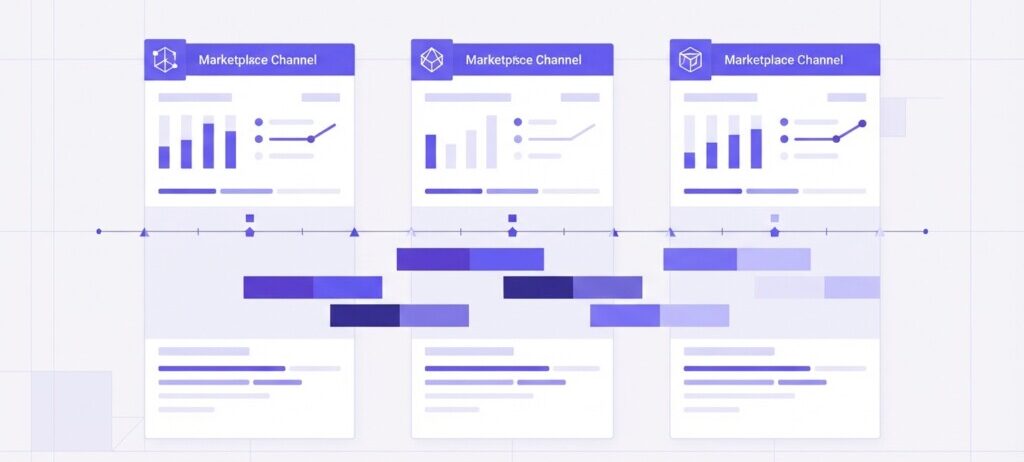
How to Manage Conflicting Promotional Calendars Across Shopee, Lazada, and TikTok Shop Without Cannibalising Sales on Any Single Channel

Running promotions across Shopee, Lazada, and TikTok Shop at the same time risks margin collapse and channel cannibalisation. This guide walks through a practical framework for staggering campaigns, assigning channel roles, differentiating SKUs, and measuring incrementality — so every platform contributes to growth rather than competing against itself.

How to Calculate the True Cost of Processing Returns Across Each Marketplace and Recover Margin Lost to Reverse Logistics

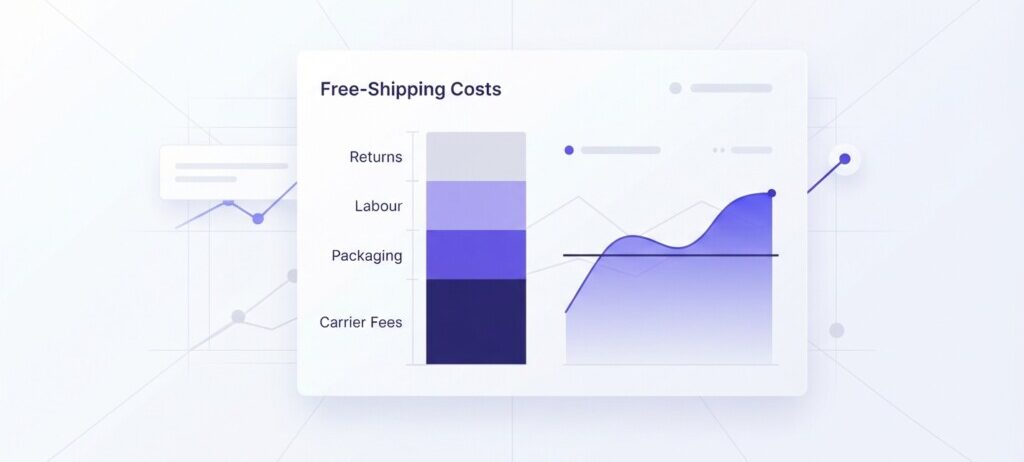
Most multi-channel sellers track return rates as a single blended figure and stop there. This guide breaks down the seven cost components of every return, builds a channel-specific cost model across Shopify, Shopee, Lazada and TikTok Shop, and shows how to recalculate contribution margin with reverse logistics fully accounted for — closing a gap that can reach 19 percentage points on high-return channels.

How to Use TikTok Shop Campaign Analytics to Measure Whether Flash Sale Discounts Actually Increase Net Profit or Just Volume

Flash sales on TikTok Shop drive volume, but volume is not profit. This guide shows e-commerce operators how to use TikTok Shop campaign analytics to build a contribution margin statement for every flash sale, compare it against a normal trading baseline, calculate break-even discount thresholds, and assess whether demand was genuinely incremental or simply brought forward from future full-price sales.